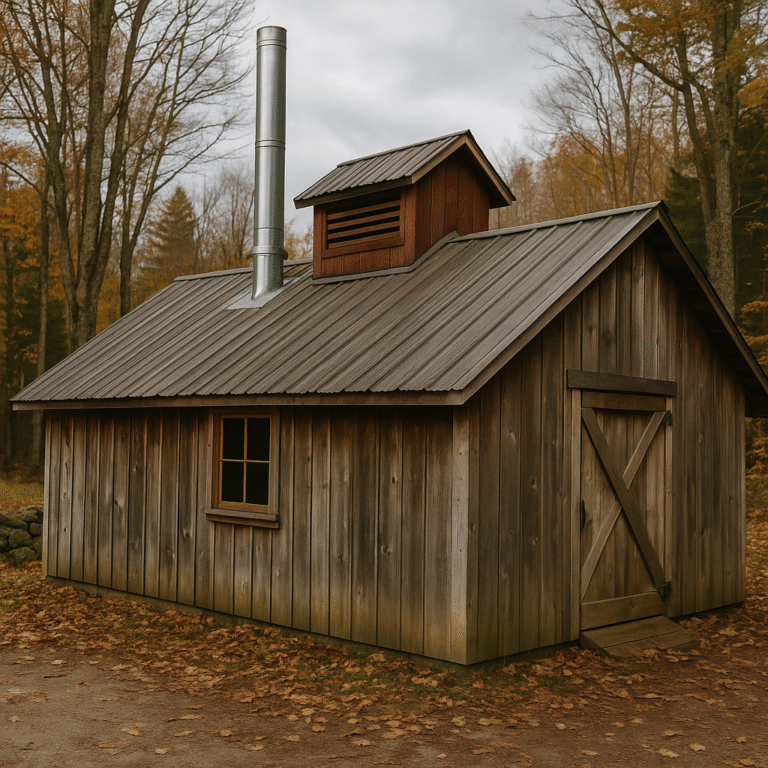
Learn when maple sugaring season happens in New Hampshire, why freeze-thaw cycles matter, and what signs indicate sap is ready to flow.
Sugaring Season: New Hampshire’s Sweetest Time of Year
When is maple season in New Hampshire? Each year, maple producers eagerly await the start of sugaring season—a short but magical window when sap begins to flow. The exact timing varies with the weather, but there are some reliable signs that tell us the season is underway.
Typical Maple Season Dates
In New Hampshire, maple season usually runs from:
Late February to Early April
But the exact timing changes from year to year because maple sugaring depends on weather — especially temperature.
The Freeze-Thaw Cycle
Maple trees need a specific pattern to produce sap:
This creates internal pressure inside the tree, causing sap to move upward.
If temperatures stay consistently warm or consistently cold, the sap slows down.
Early Season vs. Late Season Sap
-
- Early season: Lighter color, smoother flavor
-
- Late season: Darker, richer, more robust
This natural change is why you see different grades of syrup throughout the year.
Signs Considered by Sugarmakers
Jeff and other sugar makers look for:
-
- The first warm day after a cold night
-
- Bud development (once buds swell, the season ends)
The start can be unpredictable — but that’s part of the excitement.
How Long Does the Season Last?
Usually
4–6 weeks, depending on the region, elevation, and weather patterns.
Some years are shorter, some longer.
Visit a Sugar Shack During the Season
The sugar shack becomes a warm, steamy gathering place each spring. You’ll often find Jeff boiling sap, answering questions, or welcoming families and schools for a behind-the-scenes look at sugaring.
If you want to visit during boil days, check our
Contact Us page or follow updates posted during sugaring season.