How We Make Our Maple Syrup
Follow us through each step of our time-honored sugaring tradition and learn how maple syrup is made, from tapping the trees in winter to bottling pure New Hampshire liquid gold.
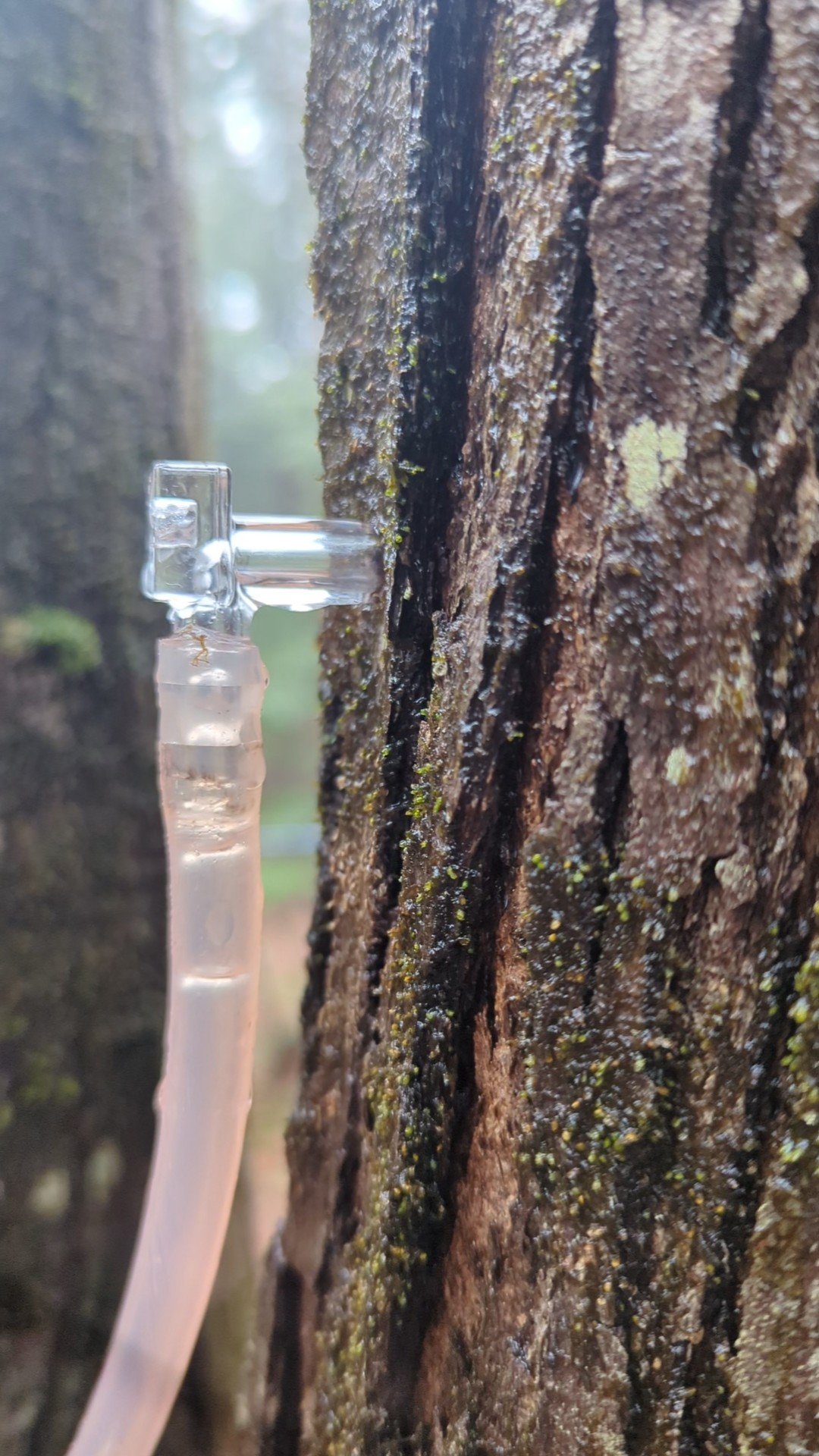
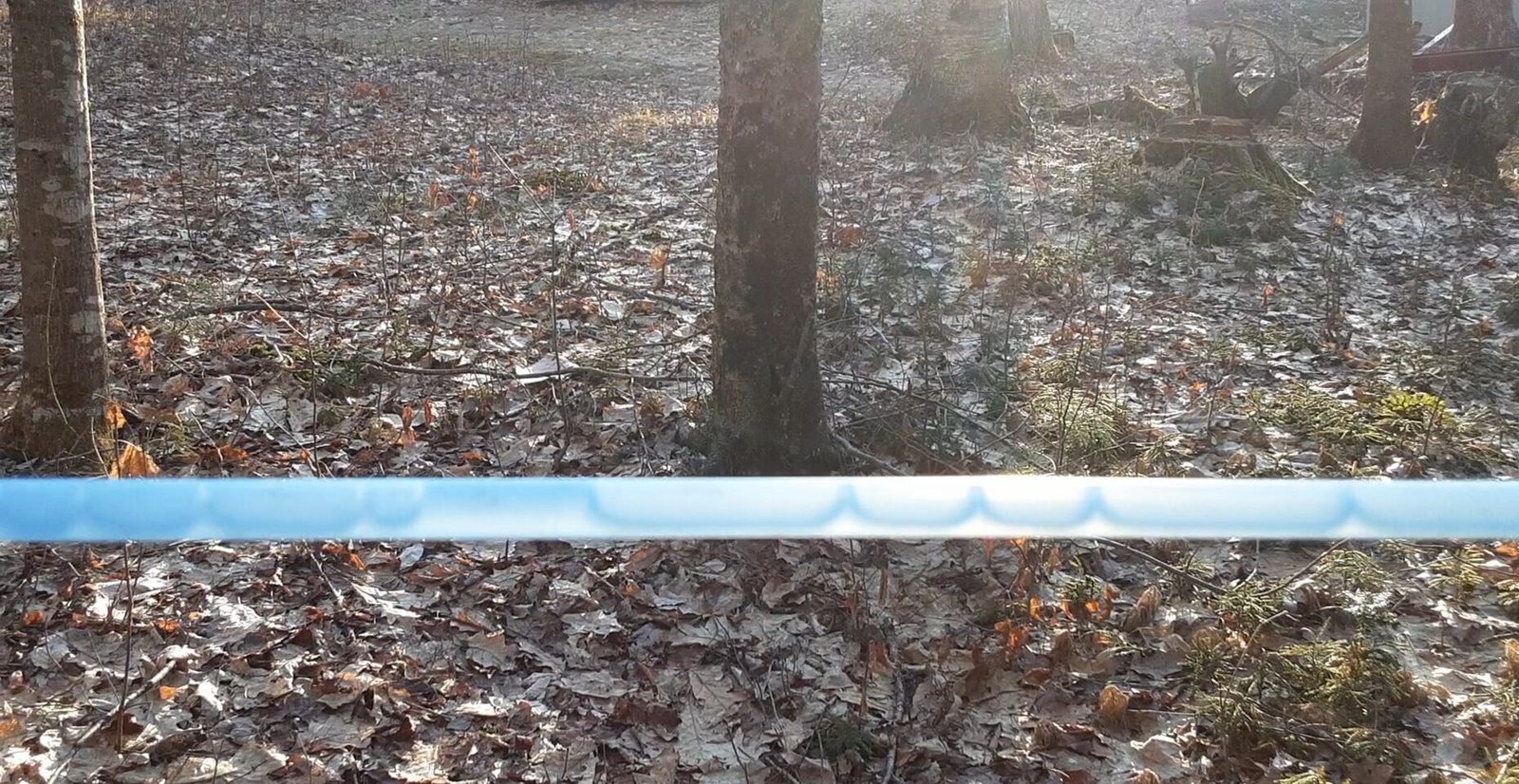
Every year, the sugaring season begins in mid-February, when the weather brings the perfect rhythm of cold nights below freezing and warmer days. This temperature swing creates natural pressure inside the maple trees, causing sap to flow upward. When the time is right, we begin tapping the trees and setting our lines to capture this crystal-clear sap.
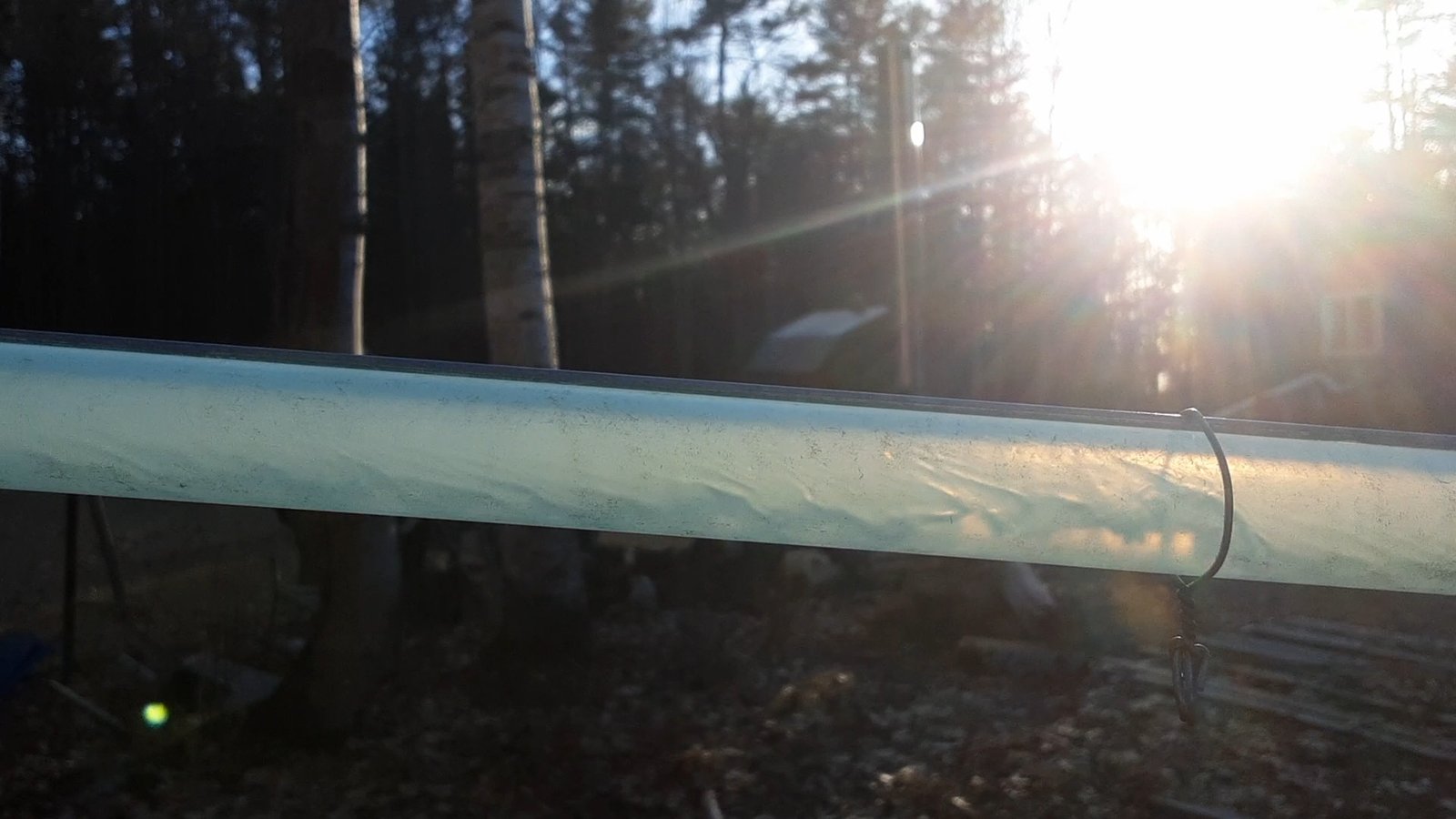
As the sap begins to run, we gather it and transport it to the sugar house, where it’s pumped into a 2,100-gallon stainless steel holding tank. At Dodge’s Sugar Shack, we use only stainless steel stands and food-grade plastic gathering tanks to ensure the sap never comes into contact with lead or unsafe materials.
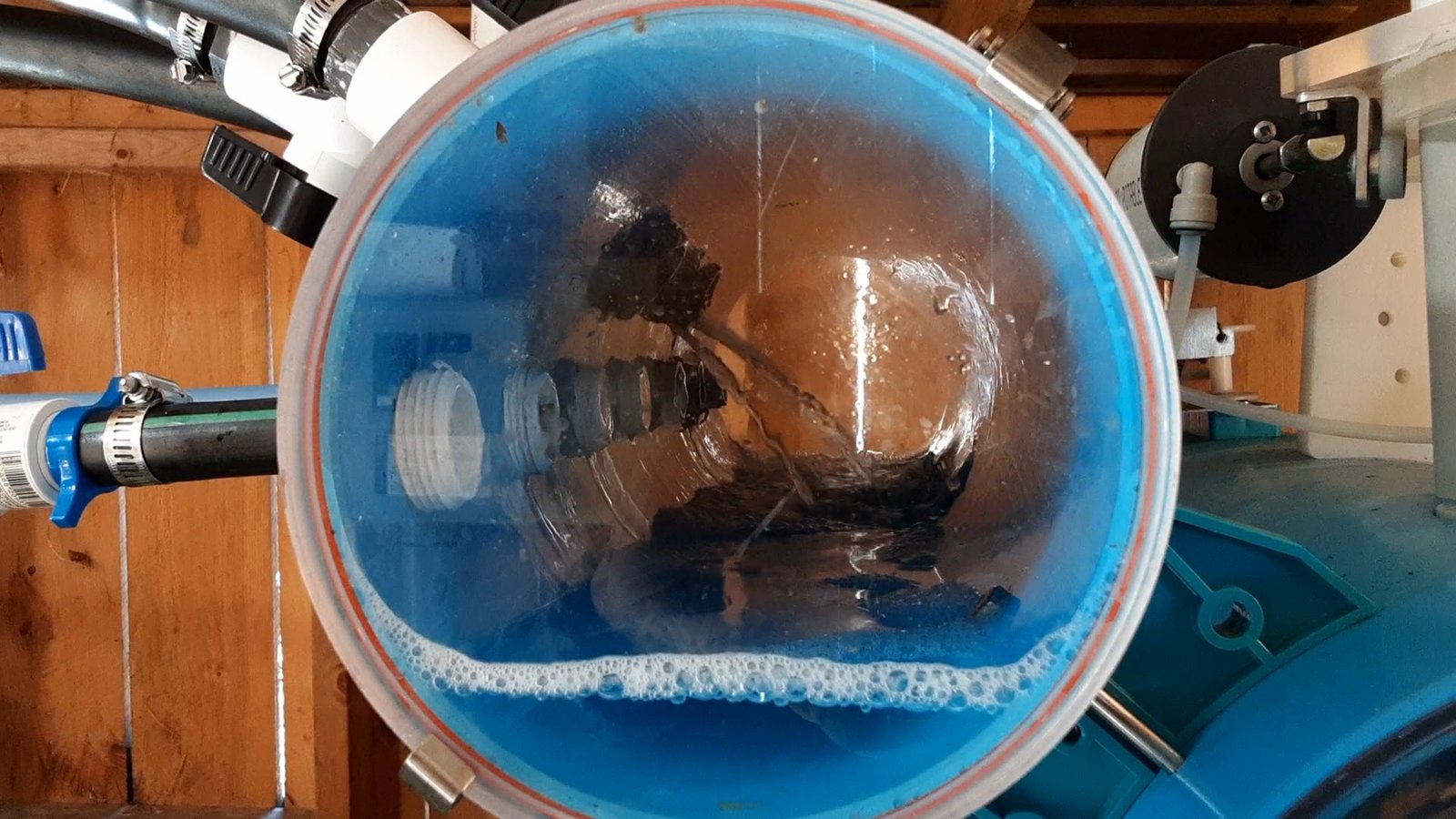
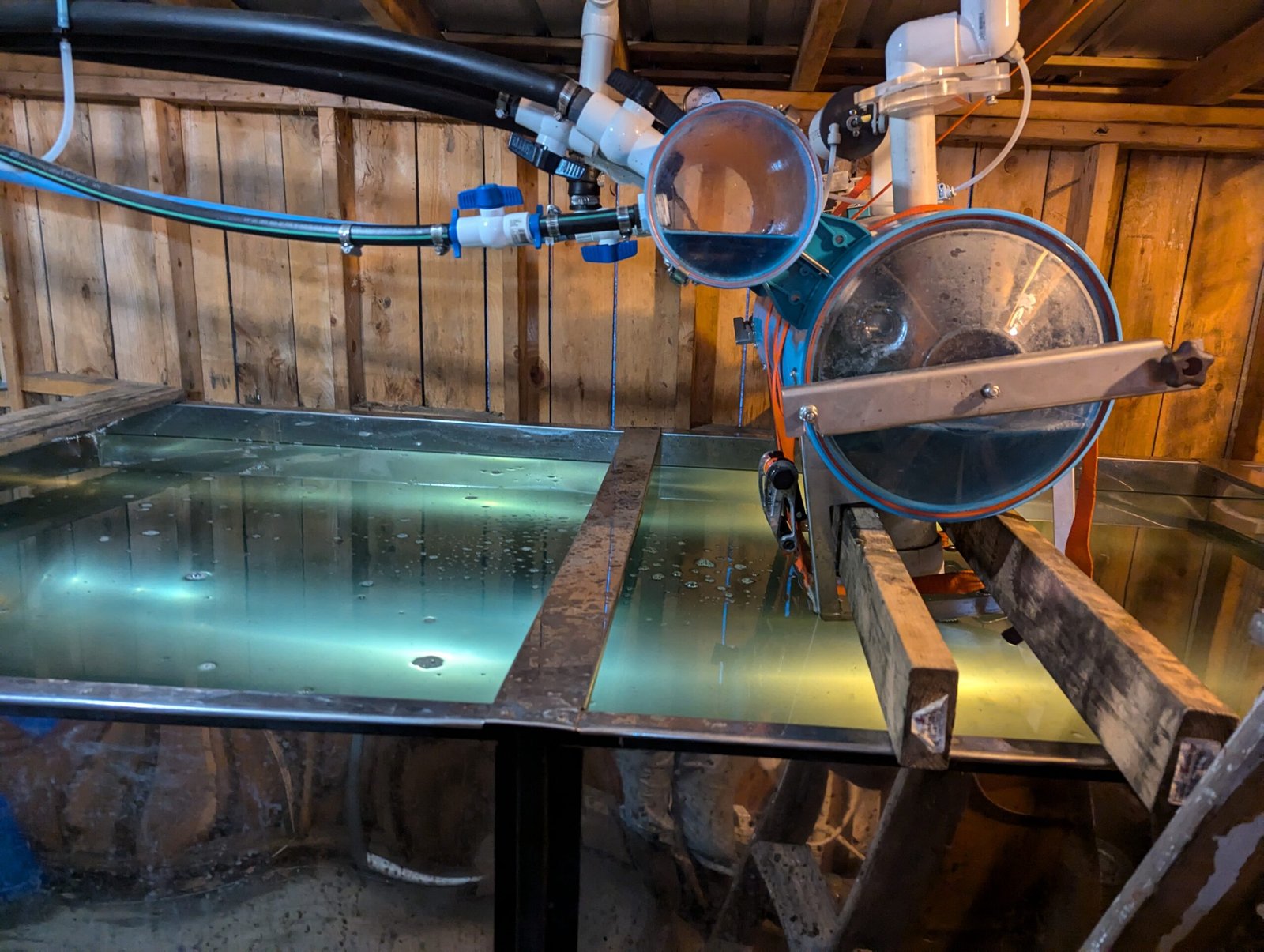
From there, the sap moves through our reverse osmosis machine, which removes a portion of the water and increases the sugar content from about 2% to 13%. This step saves significant time and fuel, allowing us to boil efficiently while preserving the pure maple flavor.
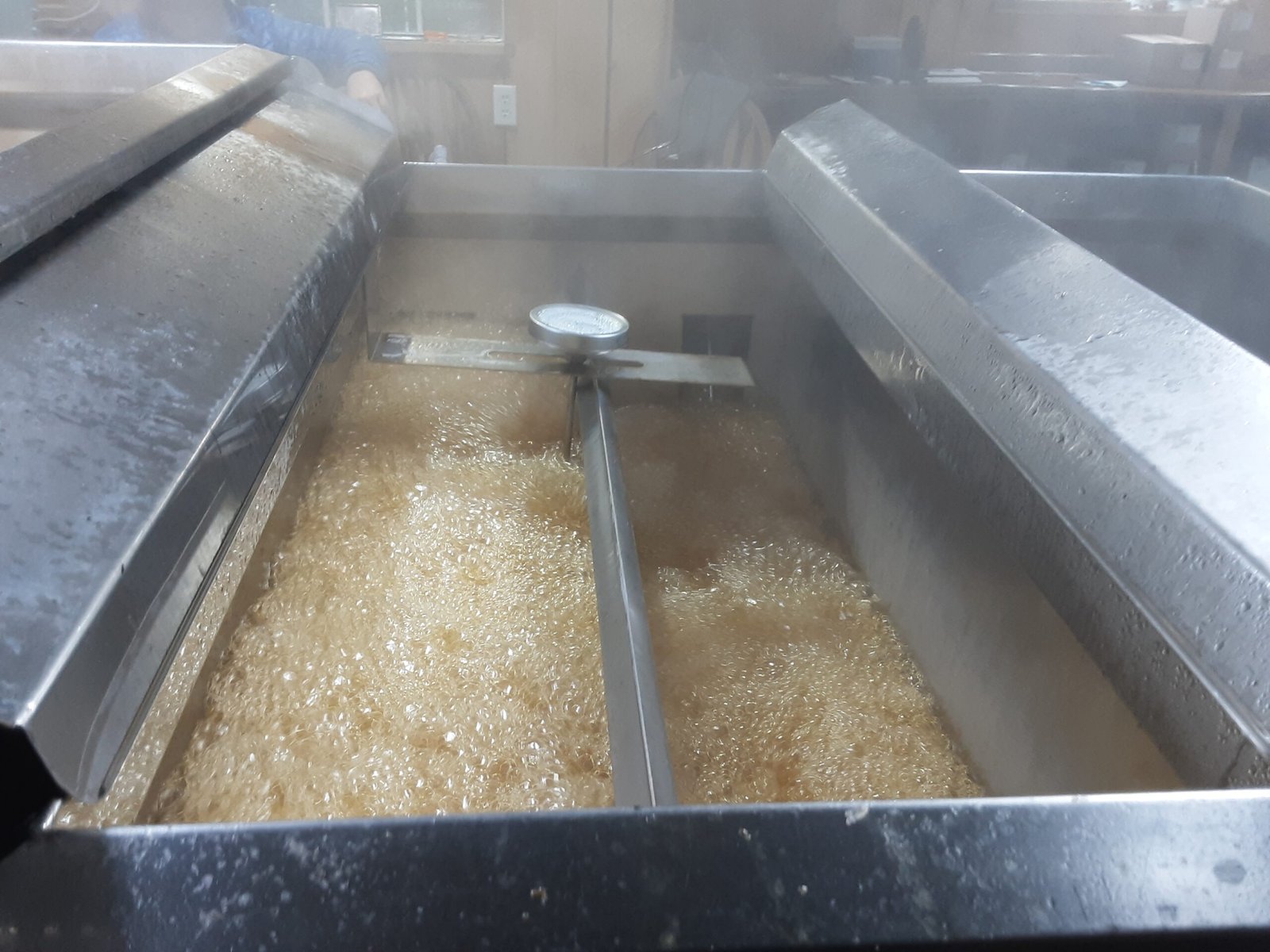
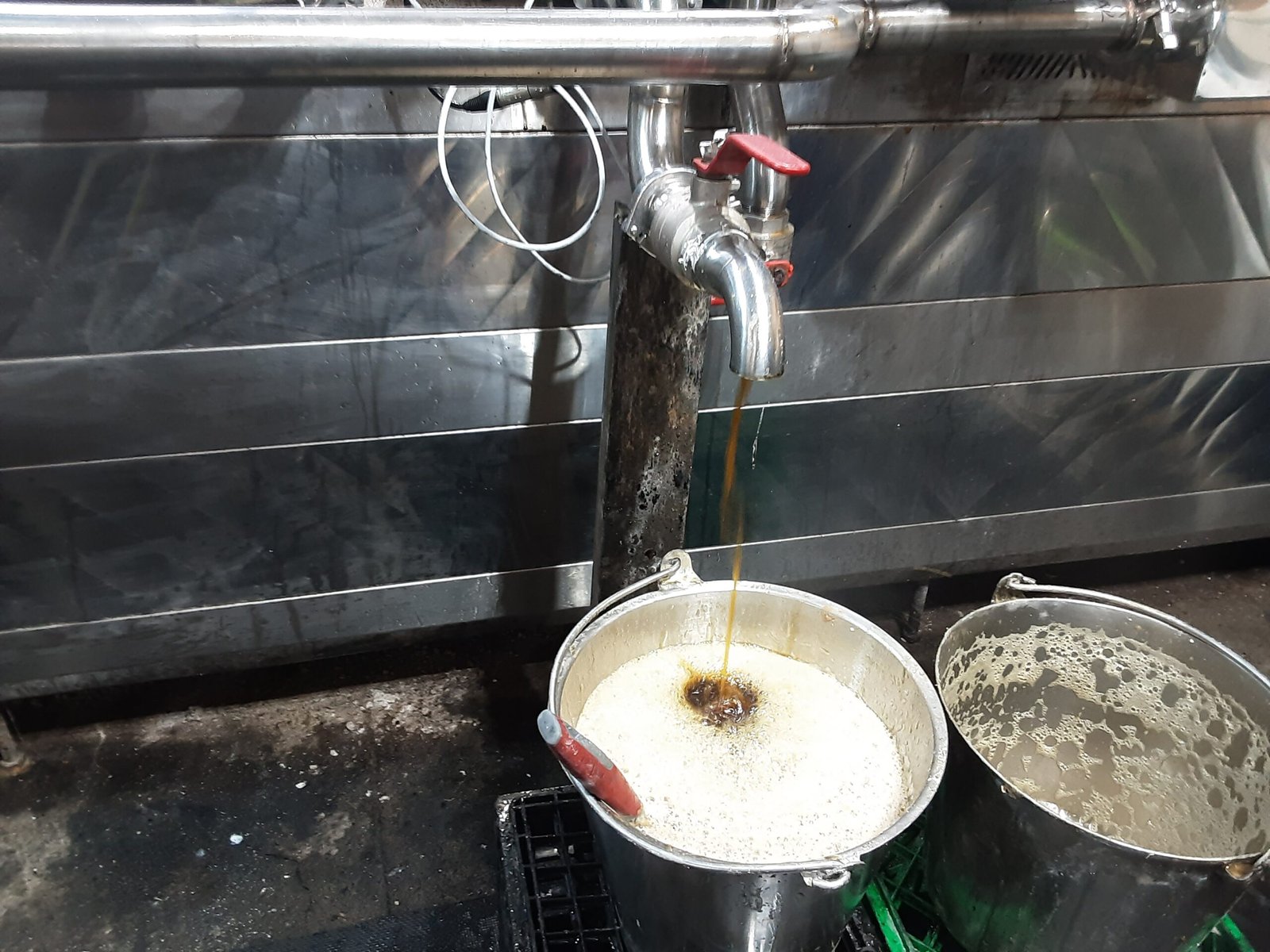
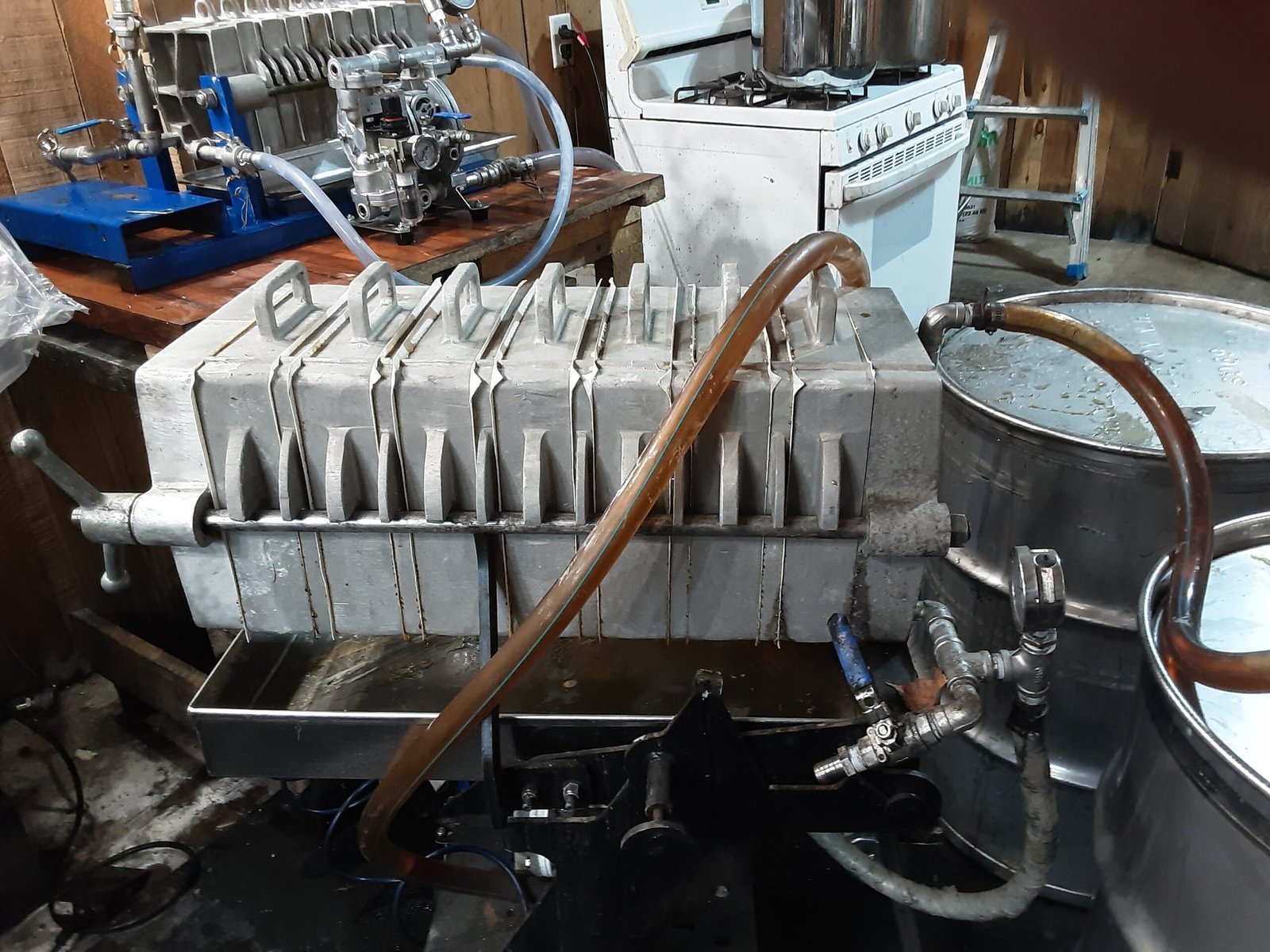
The concentrated sap is then fed into our 3′ x 8′ evaporator, where it’s boiled down into maple syrup. At peak boil, we produce roughly 12 gallons of syrup per hour. Once the syrup reaches the perfect density, it’s drawn off and run through a filter press to remove any natural impurities, resulting in a clear, clean, high-quality syrup.
Finally, the finished syrup is hot-packed into plastic jugs or glass bottles, sealed, and ready to be enjoyed. From tree to table, every step of our process is built on care, cleanliness, and the tradition of making pure New Hampshire maple syrup the right way.
Planning a trip to New Hampshire?
Visit Dodge’s Sugar Shack in Landaff to learn how real New Hampshire maple syrup is made.